Setting the right price for a home in today's market is a crucial step for anyone looking to sell. With the real estate landscape constantly evolving, understanding how to price a home effectively can make a significant difference in attracting potential buyers and achieving a successful sale. The process involves a combination of research, understanding market trends, and leveraging professional insights.
Understanding Market Trends
One of the first steps in setting the right price for a home is understanding current market trends. This involves analyzing recent sales in the area, examining the average time homes spend on the market, and identifying any shifts in buyer preferences. By keeping an eye on these trends, sellers can gain a better understanding of what buyers are currently willing to pay. This information can be gathered through local real estate reports, conversations with real estate agents, and attending open houses in the neighborhood.
Evaluating Comparable Sales
Evaluating comparable sales, often referred to as "comps," is an essential part of the pricing process. Comps are homes that are similar in size, condition, and location to the one being sold. By examining the sale prices of these homes, sellers can gain insights into what buyers are willing to pay for similar properties. It's important to consider factors such as the age of the home, any recent renovations, and unique features that may affect its value. Real estate agents can provide access to comprehensive databases that list recent sales, offering a clear picture of the local market.
Considering the Home's Unique Features
Every home has unique features that can add or detract from its value. These can include architectural style, outdoor spaces, energy-efficient upgrades, or high-end finishes. When setting a price, it's important to consider how these features compare to those of similar homes in the area. Highlighting these unique aspects can justify a higher asking price and attract buyers looking for specific amenities. Sellers should take inventory of their home's standout features and consider how they align with current buyer preferences.
Assessing the Condition of the Home
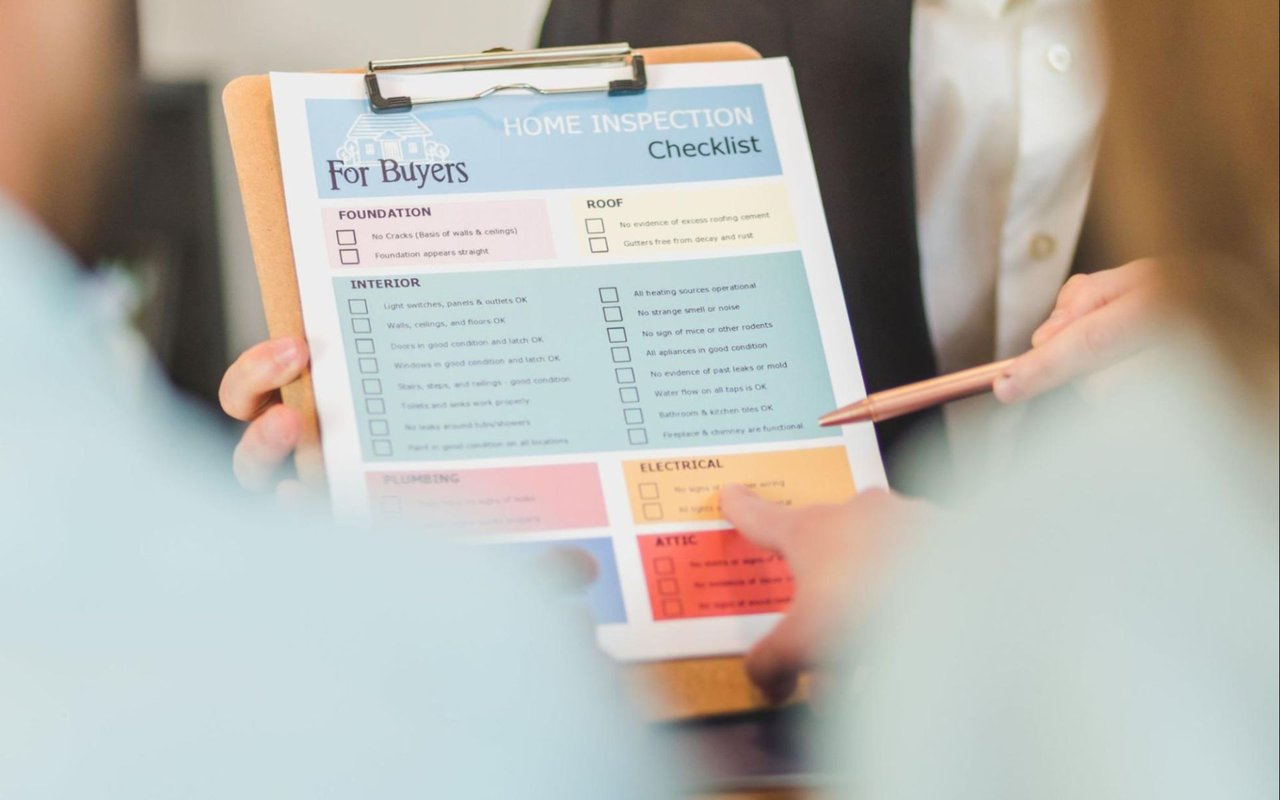
The condition of a home plays a significant role in determining its price. Buyers are often willing to pay more for a home that is move-in ready, with minimal need for repairs or updates. Sellers should conduct a thorough assessment of their home, identifying any areas that may require attention. Investing in minor repairs or cosmetic upgrades can enhance the home's appeal and potentially increase its value. Real estate agents can offer guidance on which improvements are likely to yield the best return on investment.
Timing the Sale
Timing can significantly impact the success of a home sale. Certain times of the year may see increased buyer activity, which can influence pricing strategies. For example, spring and summer are traditionally busy seasons for real estate, with more buyers actively searching for homes. Understanding these seasonal trends can help sellers position their homes competitively. Additionally, keeping an eye on economic indicators and interest rates can provide further insights into the best time to list a home.
Consulting with a Real Estate Agent
Working with a knowledgeable real estate agent can be invaluable when setting the right price for a home. Agents have access to extensive market data and can provide expert advice on pricing strategies. They can offer insights into local market conditions, buyer preferences, and competitive listings. By leveraging their experience, sellers can make informed decisions that align with their goals. It's important to choose an agent who is familiar with the area and has a track record of successful sales.
Utilizing Online Valuation Tools
Online valuation tools can provide a quick estimate of a home's value based on recent sales data and market trends. While these tools can be a useful starting point, they should be used in conjunction with other pricing strategies. It's essential to remember that online estimates may not accurately reflect a home's unique features or current market conditions. Sellers should use these tools as a reference, supplementing them with insights from real estate agents and local market research.
Setting a Competitive Price
Setting a competitive price is crucial for attracting potential buyers. Pricing a home too high can deter interest, while pricing it too low may leave money on the table. A well-researched, competitive price can generate interest and potentially lead to multiple offers. Sellers should carefully consider their pricing strategy, taking into account market conditions, comparable sales, and the home's unique features. Real estate agents can provide guidance on setting a price that aligns with current buyer expectations.
Preparing for Negotiations
Once a price is set, sellers should be prepared for negotiations. Buyers may present offers below the asking price, and being open to negotiation can lead to a successful sale. It's important to have a clear understanding of the lowest acceptable price and any terms that are negotiable. Real estate agents can help navigate the negotiation process, ensuring that sellers achieve a favorable outcome. By being flexible and responsive, sellers can increase their chances of closing the deal.
Highlighting the Home's Value
Effectively communicating the value of a home is key to justifying its price. This involves showcasing the home's unique features, recent upgrades, and any advantages of its location. Professional photography and detailed property descriptions can enhance a home's appeal, attracting potential buyers. Sellers should work with their real estate agent to develop a marketing strategy that highlights the home's strengths and positions it competitively in the market.
Monitoring Market Feedback
After listing a home, it's essential to monitor market feedback and adjust pricing strategies as needed. If a home is not receiving interest or offers, it may be priced too high for current market conditions. Sellers should be open to feedback from real estate agents and potential buyers, using it to make informed decisions about price adjustments. By staying responsive to market dynamics, sellers can increase their chances of a successful sale.
Staying Informed on Market Changes
The real estate market is constantly evolving, and staying informed on changes can help sellers make strategic pricing decisions. This involves keeping up with local market reports, economic indicators, and buyer preferences. By staying informed, sellers can adapt their pricing strategies to align with current market conditions. Real estate agents can provide valuable insights and updates, helping sellers navigate the complexities of the market.
Work with Kara Kay
Pricing a home correctly is a vital step in ensuring a successful sale. By understanding market trends, evaluating comparable sales, and considering your home's unique features, you can set a price that attracts buyers and meets your goals. Consulting with
a knowledgeable real estate agent can provide the expertise needed to navigate this process smoothly. If you're ready to sell your home in La Jolla, consider reaching out to
Kara Kay and her team.
*Header image courtesy of Unsplash